Doors & Windows
Sliding Door Security Bars: How to Choose the Right Fit
A sliding door security bar can add a physical stop behind a closed patio door, but only when its adjustment range, end contact and your exit plan all work together. Measure the usable opening first, then choose a bar made for that range and practice removing or releasing it before you depend on it.
Affiliate disclosure: BunyanSafe may earn a commission when you buy through links on this page, at no extra cost to you. Our recommendations are based on product documentation and fit research, not hands-on testing.
What does a sliding door security bar actually do?
A security bar braces the moving panel against its frame or track-side surface, making the door harder to slide open from outside. It is a secondary layer, not a replacement for a working latch, intact frame, correctly closed door or a family escape plan.
The useful question is not “which bar is strongest?” It is whether the bar reaches your measured opening, sits firmly at both ends and can be removed or released by the people who may need to leave through that door.
Start with our sliding-door security-bar measurement guide. If the built-in latch is damaged or you are comparing more than bars, see our guide to sliding door locks, fit and security upgrades.
Quick fit decision table
| Your situation | Check first | Best next step |
|---|---|---|
| Standard closed patio-door opening | Clear width at bar height | Match it to the bar’s stated range |
| You want fresh air with the door partly open | Whether the product supports a partial-open position | Use only the documented setting |
| Child can reach the bar | Release and lift-lock design | Practice the intended operation together |
| Door may be an escape route | How quickly it can be removed or released | Do not block the practiced exit |
| Renter or temporary setup | Whether mounting or drilling is required | Check lease and product instructions |
Measure before you buy a sliding door security bar
Measure the clear distance where the bar will actually rest, with the door fully closed. Do not measure only the glass panel: trim, handles, track shape and the chosen bar height can change the usable span.
- Close and latch the door normally.
- Choose the planned bar height and measure the clear opening there.
- Write down the measurement and compare it with the product’s published adjustment range.
- Check that both ends will contact stable surfaces rather than a loose screen, handle or uneven trim.
- After installation, try normal operation from inside before relying on the setup overnight.
Pro tip: A bar near the edge of its stated adjustment range deserves an extra fit check. A product can be adjustable and still be the wrong fit for your particular frame.
Should you choose a removable bar or a mounted bar?
A removable pressure-style bar is usually the simpler choice when you need to take it down often. Its limitation is that correct contact and placement matter every time you reinstall it.
A mounted system can add a bracket or anti-lift component, but it may require drilling, permanent hardware and a more careful release check. Ideal Security’s SK110 installation guidance, for example, asks buyers to check door clearance, release-lever position and mounting placement before installation.
Neither type is automatically right for every home. If a sliding door is a normal exit, choose the setup your household can operate quickly and rehearse it as part of the escape plan.
Two security-bar options to compare by fit
These are not universal rankings. They are two currently resolving Amazon options with different buying checks, included to make the measurement process concrete.
Prime-Line U 9920: for a documented 28–48 inch opening
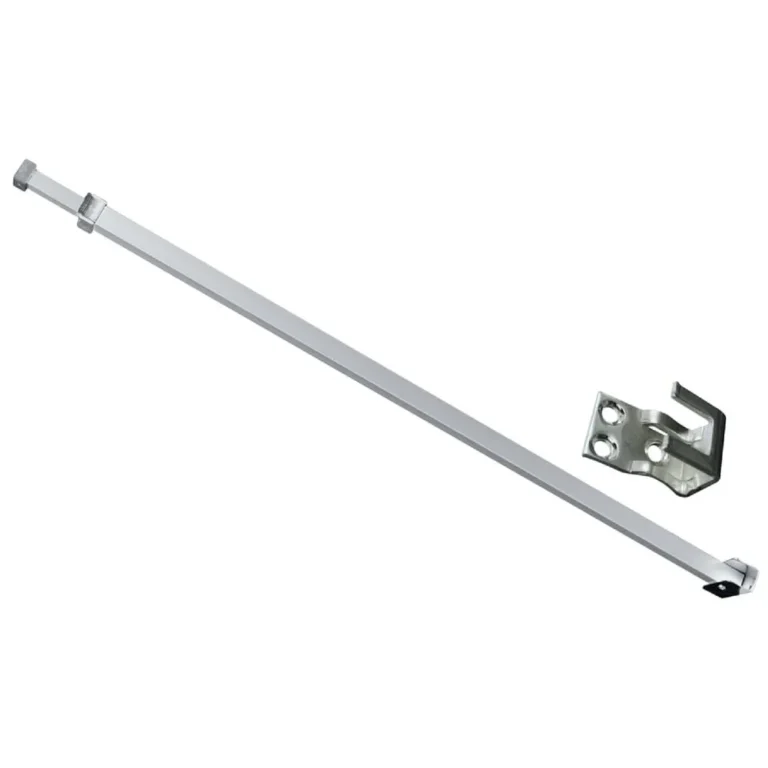
Prime-Line documents the U 9920 as an aluminum adjustable security bar for sliding doors with a 28–48 inch adjustment range. That makes the published range the first filter: measure your opening at the intended bar height before considering it.
Who this is not for: a door with a clear opening outside that range, or a household that needs a product to secure a partly open door without confirming that use in the product documentation.

- Easy to install and provides backup security for your sliding patio door
- Adjustable to accommodate openings from 28 in to 48 in
- The adjustable feature allows you to safely enjoy fresh air by securing your door in an open position
SecurityMan 2-in-1 bar: for shoppers who need interchangeable caps
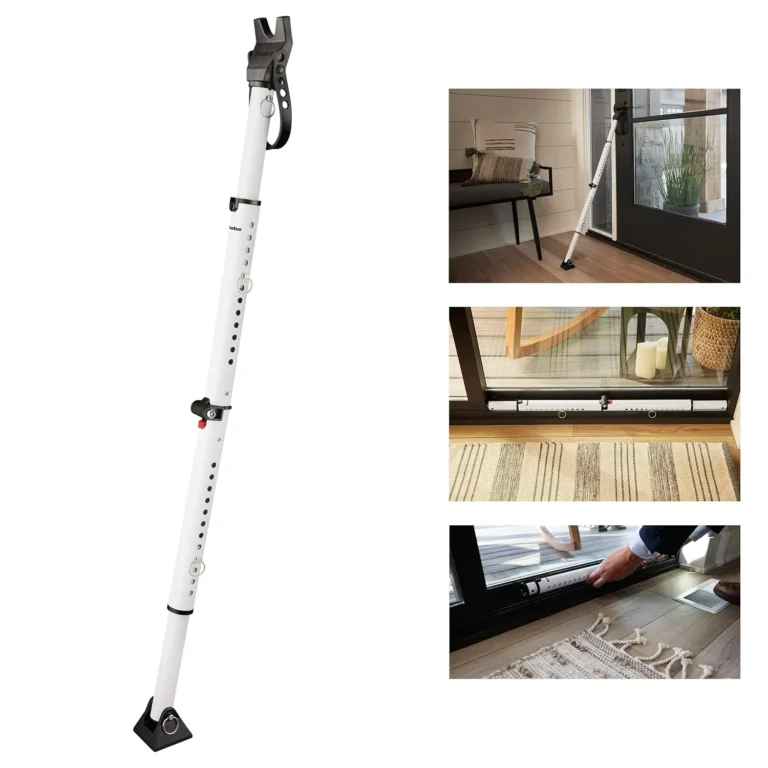
The resolving product title identifies this as a two-pack 2-in-1 door and sliding-patio security bar with interchangeable caps. That can suit a household comparing one product across more than one use, but it does not remove the need to measure the patio-door opening and follow the exact included instructions.
Who this is not for: anyone who needs a documented, model-specific fit range before buying. In that case, choose a product whose manufacturer documentation matches the exact item and opening you measured.

- Two in one Door Stopper Security bar and Sliding Door Lock Bar: Use this device for two different purposes with easily i…
- Adjustable and Durable: Door stopper security can be adjusted between 18.25″ to 47.50″ and constructed of high grade iro…
- Security Door Stopper: Angled rubber bottom assures full contact and a strong brace on all types of floors without scrat…
Do not let a security bar create an escape problem
The U.S. Fire Administration advises households to identify two ways out of rooms where possible and to make sure doors and windows can be opened quickly. Before treating a bar as part of your nightly routine, decide who removes it, how they do that in low light and what the second route is if that door cannot be used.
Do not rely on a child learning an unfamiliar release during an emergency. Practice the setup with the adults and older children who may use the route, and keep smoke alarms and the planned exit route working independently of the bar.
Verdict: The right sliding door security bar is one that matches the opening you measured and does not interfere with a practiced exit. A longer feature list cannot make up for an unstable fit or an unusable escape route.
Frequently asked questions
Can a security bar replace a sliding door lock?
No. Treat it as secondary protection. Repair or replace a broken latch and check the frame and door alignment as well.
Can I use a bar while the sliding door is partly open?
Only when the exact product documents that use and the installed position remains stable. Do not assume every adjustable bar is designed for a partial-open setting.
Where should a sliding door security bar sit?
It should rest against stable surfaces at the height specified or supported by the product. Measure and test at that actual location, not at a convenient point on the glass.
Are security bars renter-friendly?
Some removable bars may avoid drilling, while mounted products may not. Check the product installation method and your lease before choosing.
Do I need to remove the bar every day?
Use it in the way the product instructions describe. If the door is part of your normal or emergency exit plan, everyone who needs it should know how to release or remove it quickly.
Before you buy
Write down your measured opening, identify the door’s role in your escape plan and compare those facts with the exact product listing. That small check is more useful than choosing a bar by headline claims alone.